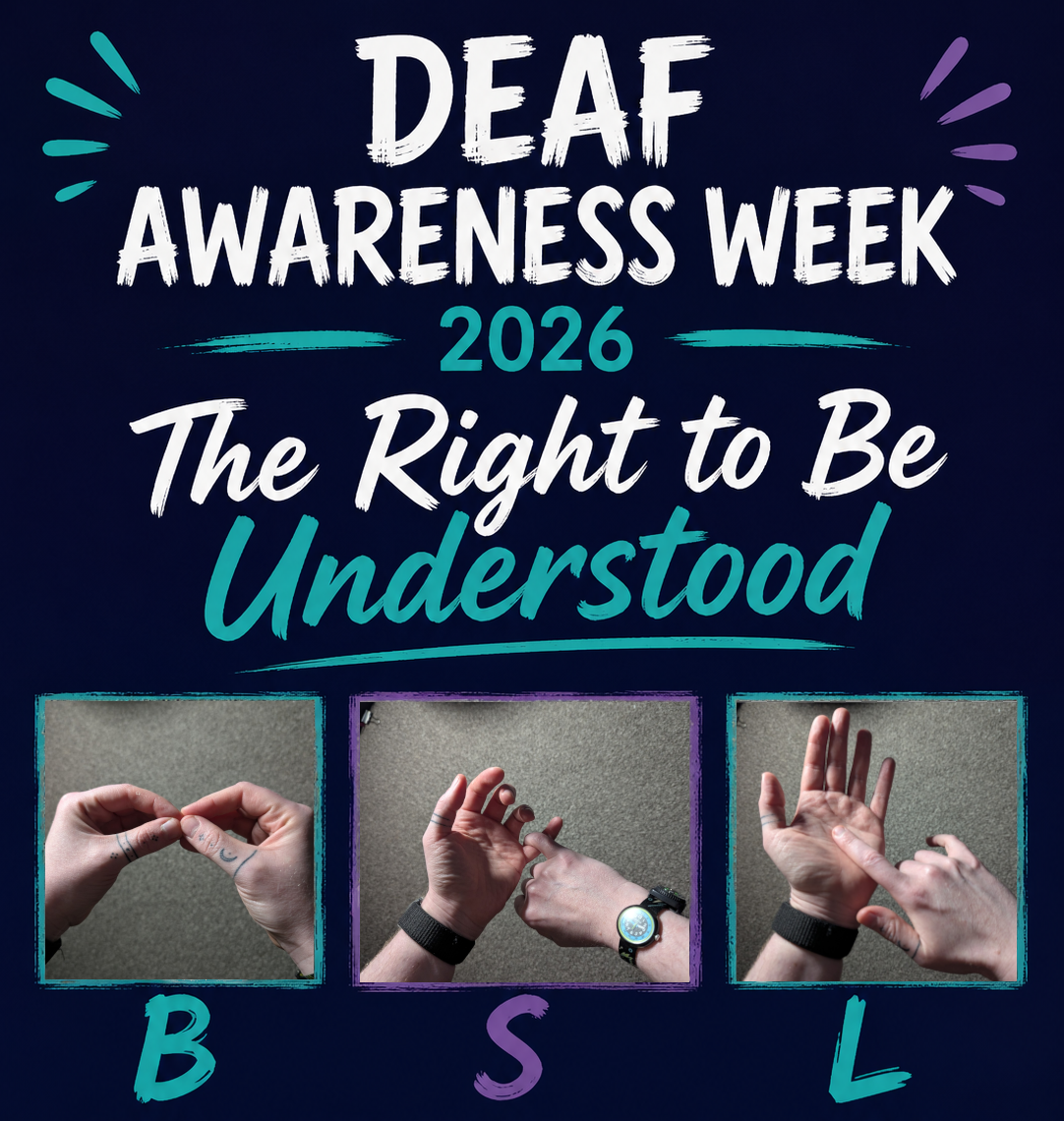
BSL -The Right to be (more than) Understood
British Sign Language is not “English on the hands.” It is one of the native languages of the UK, with its own grammar, culture, humour, and social norms. Deaf awareness must include not only access needs, but also linguistic and cultural understanding.

Your Disabled Staff Are Trying to Save You Money - Let them!
Disabled staff often detect organisational friction long before anyone else does. That is not a weakness in people — it is diagnostic information about your systems. Inclusive workplaces are usually simply better-designed workplaces: clearer, more efficient, less exhausting, and ultimately cheaper to run.
You can’t pour out of an empty jug — and that’s health and safety
You can’t pour out of an empty jug — and that’s not just a metaphor. Fatigue is a health and safety issue that affects decision-making, attention, and reliability. Here’s why it matters, and what to do about it in practice.
The 5T Approach - a support system that works on every disabled person and everyone else
The 5T approach is a practical framework for supervising and line-managing disabled and neurodivergent people — built from real-world training and designed to work in practice. And it works on everyone else, too.
Flying the Flag for Inclusion (by accident almost…)
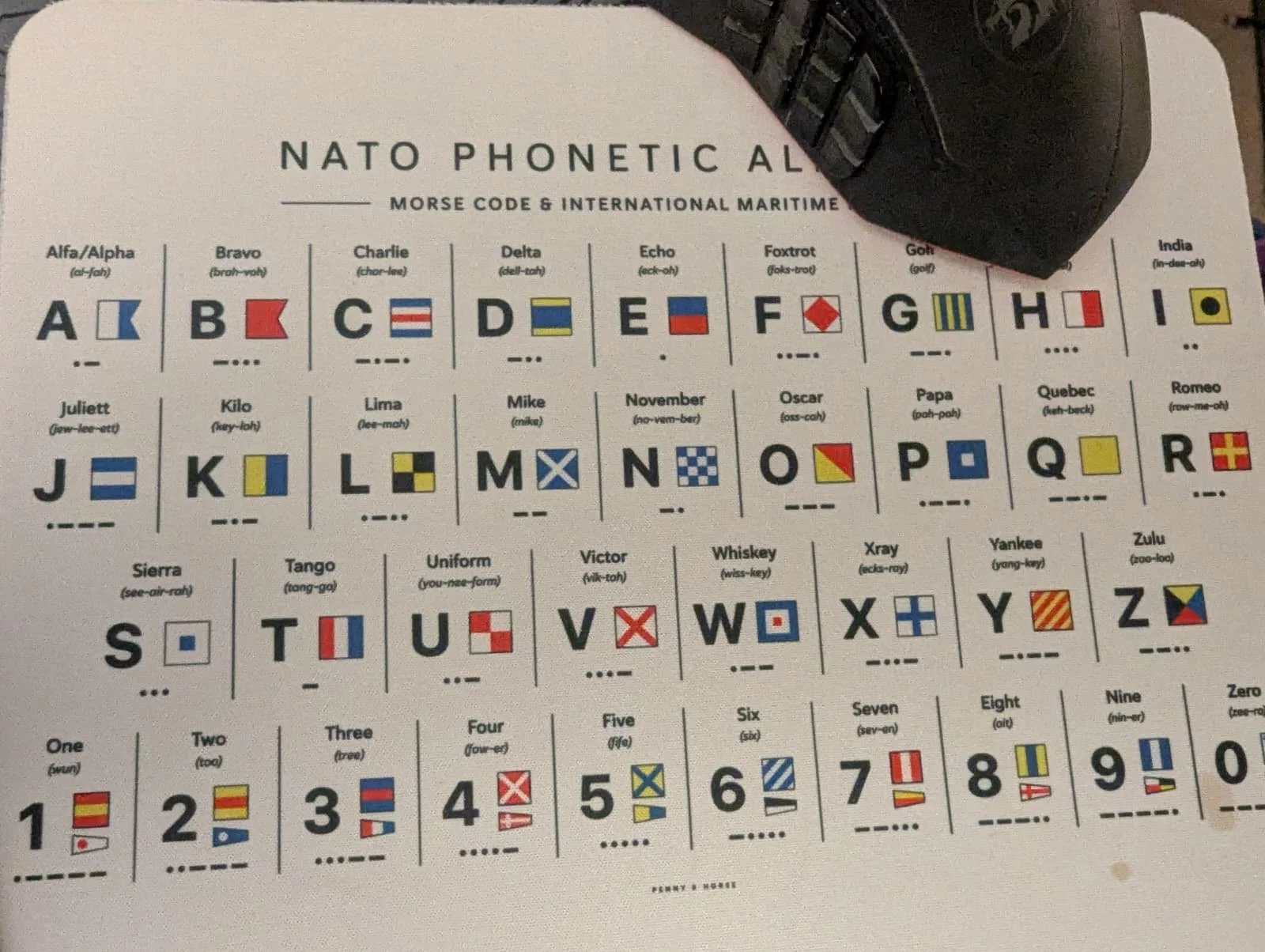
Long before inclusion was a design principle, some systems had to work for everyone under real conditions. The International Code of Signals is one of the clearest examples.
Why We Need a Social Model 2.0
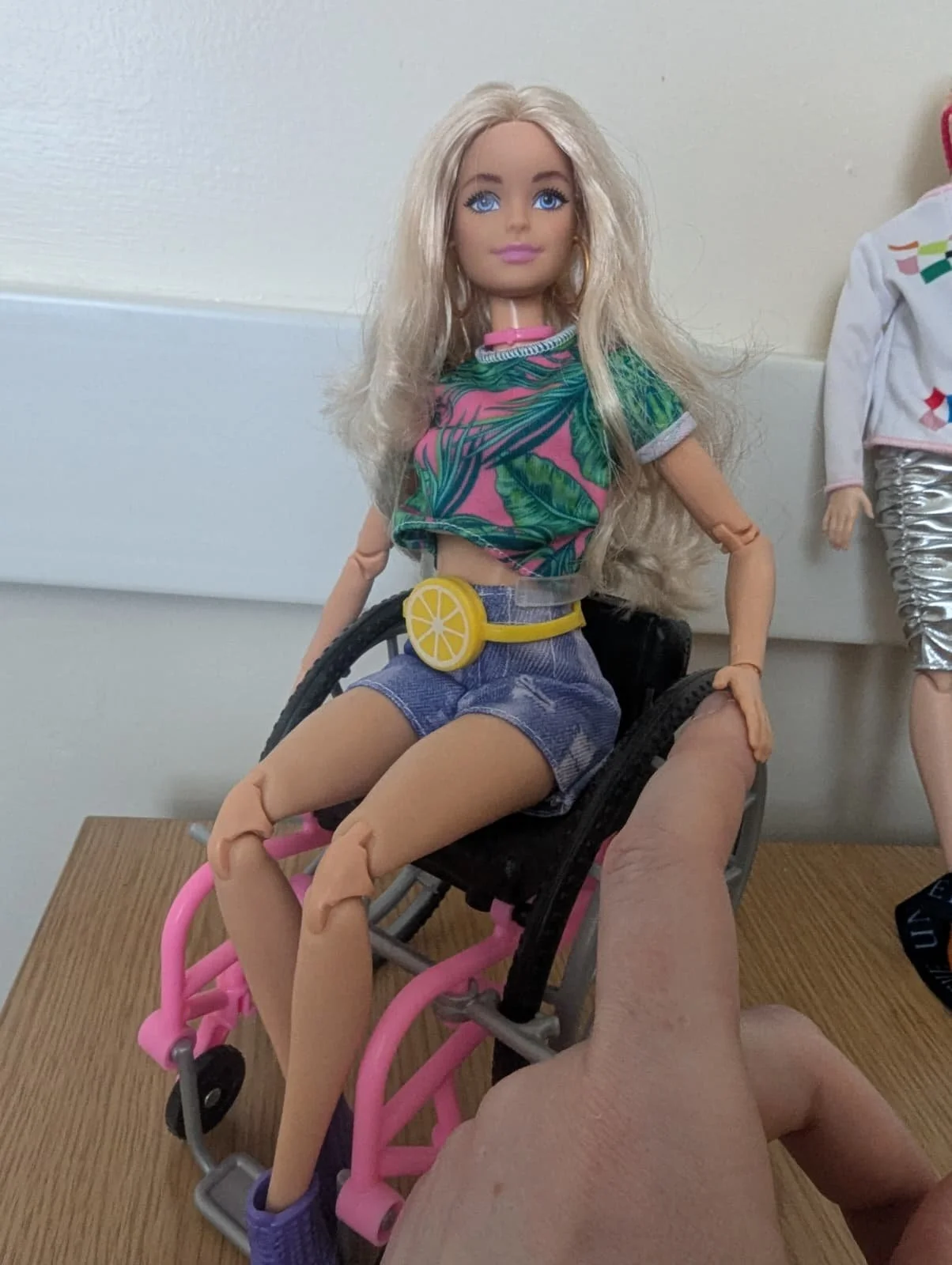
The social model of disability changed everything — but it doesn’t fully explain pain, fatigue, and invisible labour. What happens when the barrier isn’t just the environment?
Both Is Good: Why Universal Design and Tailoring Must Work Together
Universal Design is often treated as a complete solution. It isn’t — and it doesn’t need to be. Its real strength is freeing up the time and resources needed to support people whose needs fall outside the majority design.
I Can (Not) Do The Thing.
When we ask a disabled person to “do the thing,” we’re usually missing something important. Disability is not a simple on/off switch. There are four very different answers to that question — and most misunderstandings come from not knowing which one you’re dealing with.