


Your Disabled Staff Are Trying to Save You Money - Let them!
Disabled staff often detect organisational friction long before anyone else does. That is not a weakness in people — it is diagnostic information about your systems. Inclusive workplaces are usually simply better-designed workplaces: clearer, more efficient, less exhausting, and ultimately cheaper to run.

You can’t pour out of an empty jug — and that’s health and safety
You can’t pour out of an empty jug — and that’s not just a metaphor. Fatigue is a health and safety issue that affects decision-making, attention, and reliability. Here’s why it matters, and what to do about it in practice.
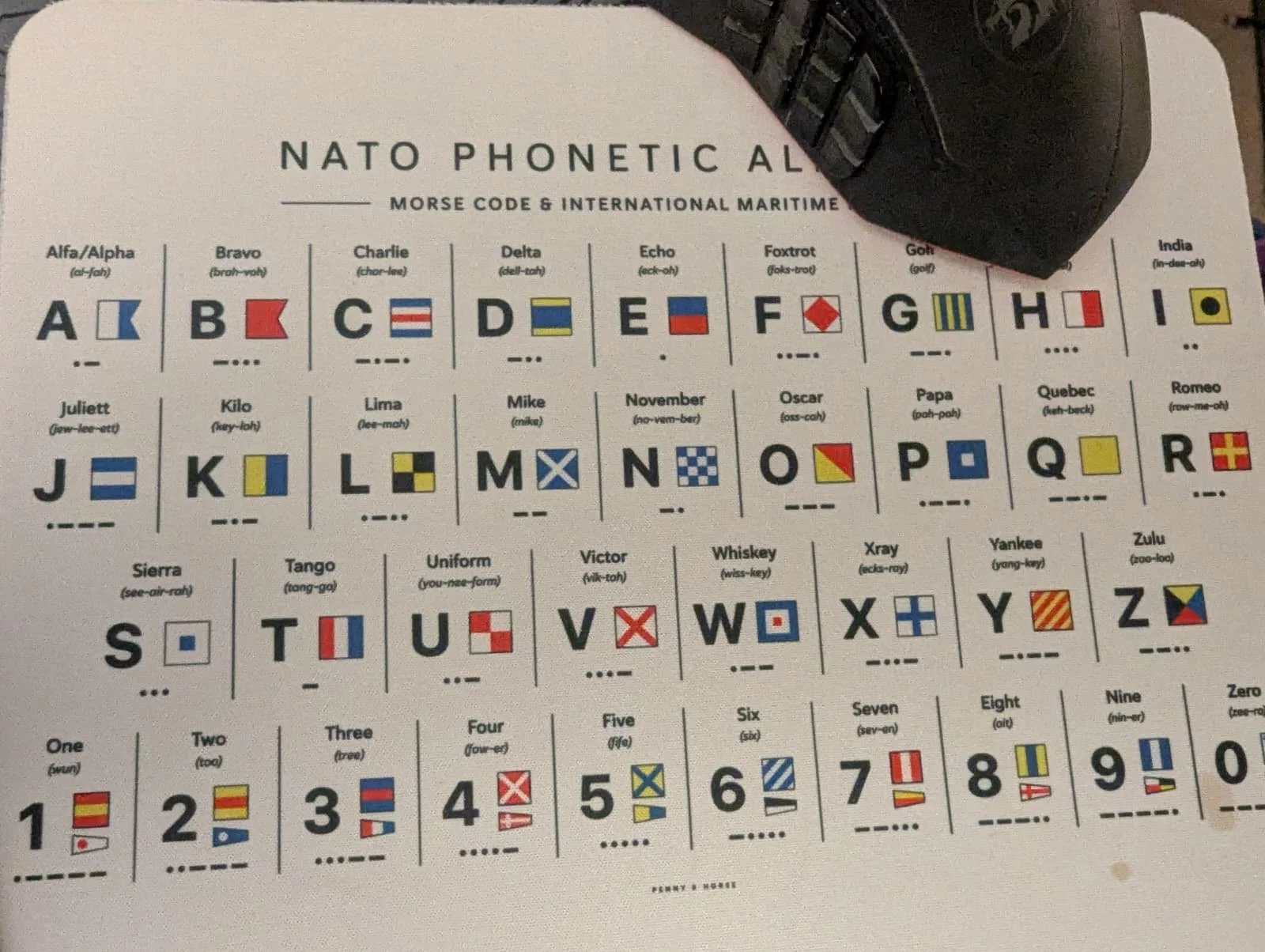
Flying the Flag for Inclusion (by accident almost…)
Long before inclusion was a design principle, some systems had to work for everyone under real conditions. The International Code of Signals is one of the clearest examples.
Both Is Good: Why Universal Design and Tailoring Must Work Together
Universal Design is often treated as a complete solution. It isn’t — and it doesn’t need to be. Its real strength is freeing up the time and resources needed to support people whose needs fall outside the majority design.