

Approach
My work focuses on how systems behave in real-world conditions — particularly where communication breaks down and policy fails at the point of implementation.

Working with people, not against them
I work with people, not against them.
Most problems in organisations are not caused by bad intent. People are usually trying to do the right thing, but lack the knowledge, resources, or confidence to act.
Approaching this by blaming individuals does not work. It creates fear, reduces action, and ultimately makes systems less effective.
Instead, I focus on understanding what people are trying to do, where they are blocked, and how the system can better support them.

It’s (almost) always the system
What is often described as “human error” is usually a system problem.
If people are making mistakes, there is typically a reason:
they were not trained
they did not have the right tools
the process was unclear
the environment made failure likely
Even in cases of negligence or bad faith, the question remains:
why did the system allow this to happen?
A well-designed system makes it easier to do the right thing and harder to do the wrong one.
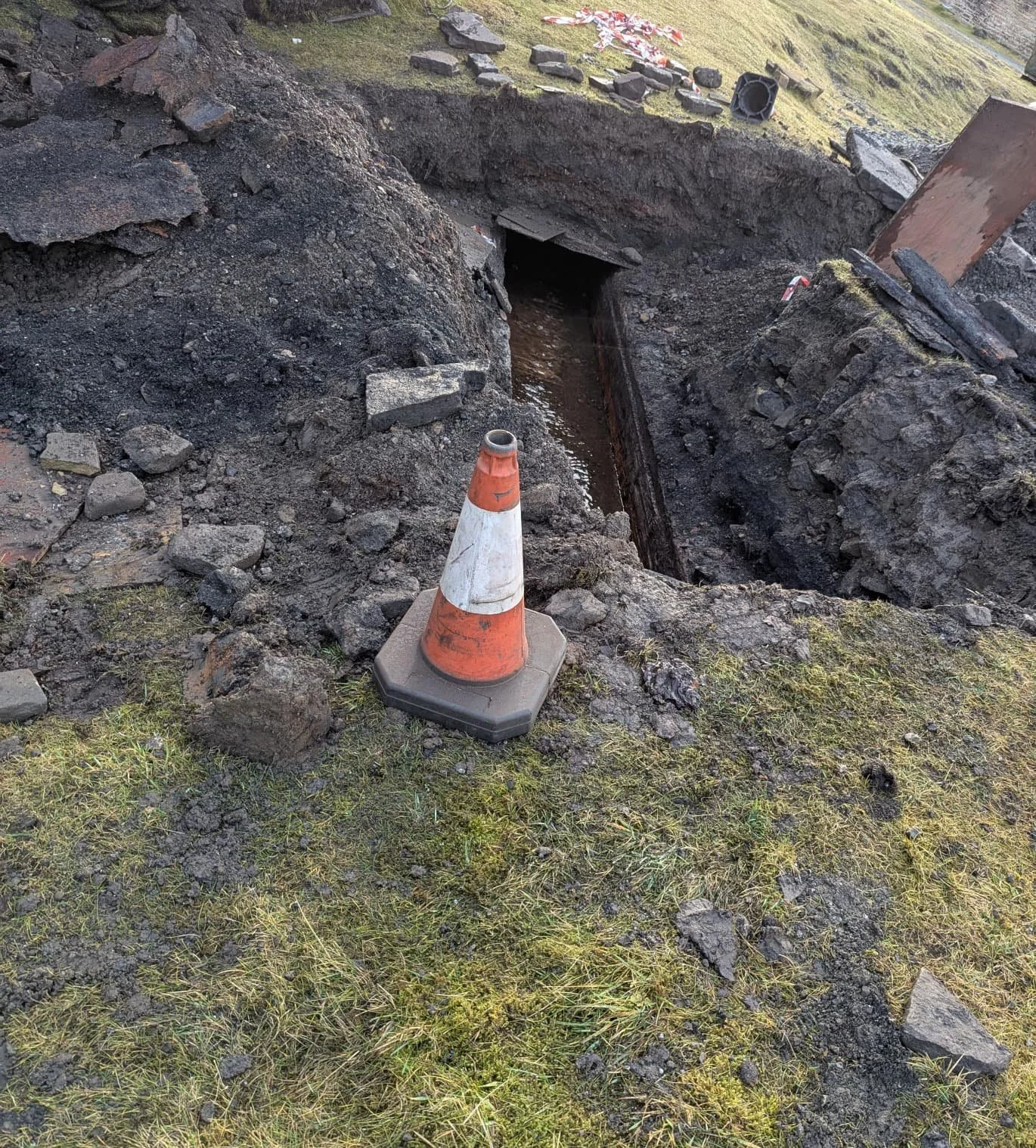
Finding the Root Cause often requires looking under the surfaceRoot cause, not surface fixes
I focus on identifying and addressing root causes rather than symptoms.
Fixing surface-level issues may provide short-term relief, but problems will reappear if the underlying structure remains unchanged.
Addressing root causes is more effective in the long term, both financially and in terms of human cost.

Designing for real-world conditions
I take an engineering approach to systems.
This means considering the full chain:
policy
procedure
practice
and planning how they interact before implementation.
Systems are designed not for ideal conditions, but for real ones — including time pressure, uncertainty, and human limitations.

Inclusion as labour distribution
Inclusion is, at its core, a question of labour.
In many systems, disabled people and other minority groups carry additional, often invisible work in order to access the same outcomes as others.
This can include:
explaining needs
navigating unclear processes
compensating for inaccessible systems
Inclusion means shifting that labour away from the individual and into the system.
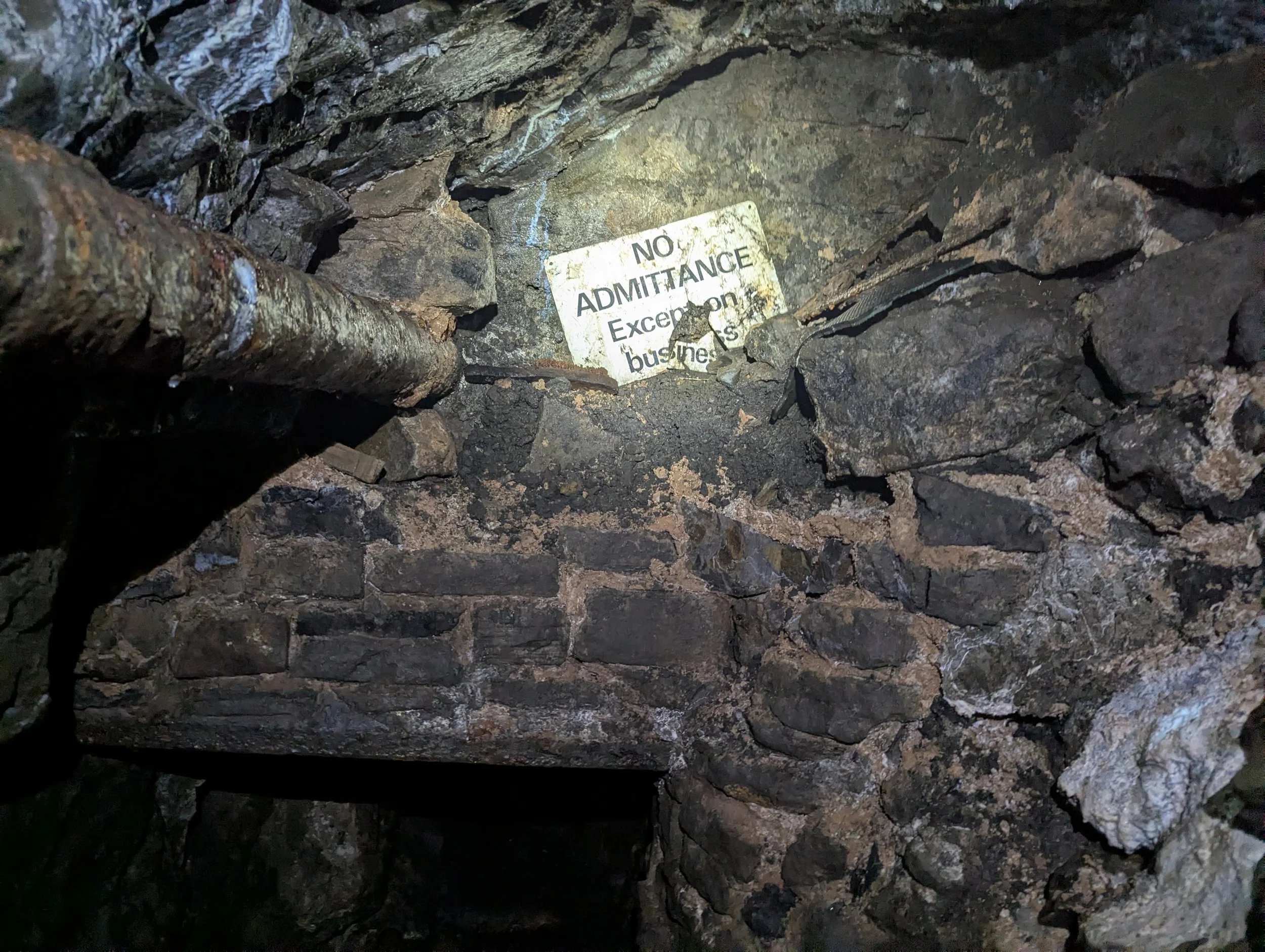
Universal Design as resource management
Universal Design is a powerful tool — but not a complete solution.
It works best when it reduces the need for individual adjustments by meeting the needs of many people from the outset. This removes a significant burden from individuals who would otherwise have to ask for support.
However, it will never work for everyone.
Its real strength lies in resource management:
by covering the needs of most people early, time and capacity are freed up to support those who require more specific adjustments.