

About Me
Who I am
I am an interdisciplinary researcher and systems thinker working at the intersection of human factors, policy, and real-world implementation.
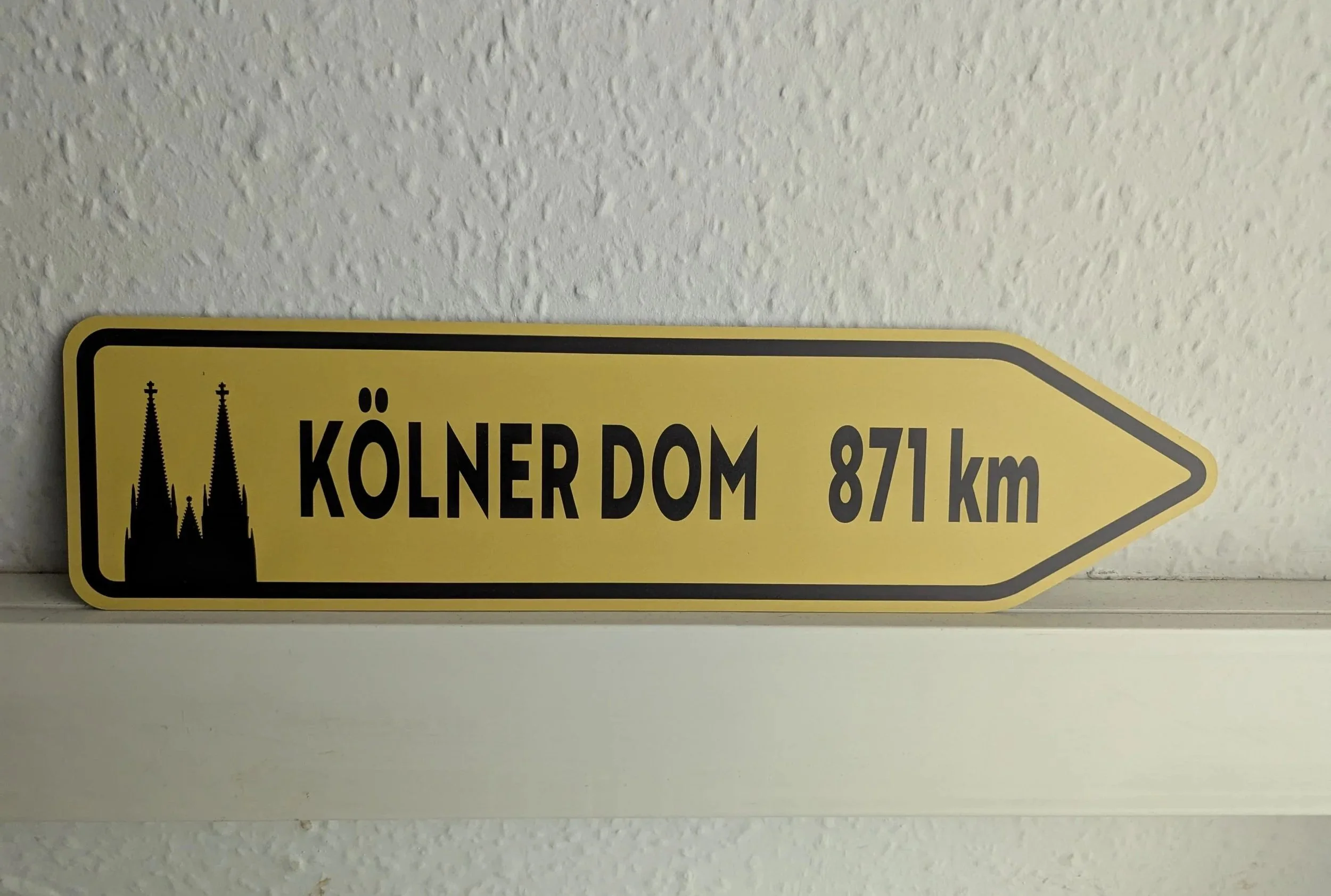
I grew up in Cologne and first entered emergency response as a teenager, serving as a volunteer paramedic with the German Red Cross. That early experience shaped how I understand systems: under pressure, in uncertainty, and where failure has real consequences.
What I do
My work focuses on a simple question:
Why do well-designed systems fail in practice — and how do we fix that?
I work with organisations to analyse how their systems behave under real conditions:
how people actually use them
where friction occurs
where things quietly fail
From there, I design practical improvements and train people to use them effectively.
How I got here
I began in civil and agricultural engineering before moving into philology — a blend of linguistics and literature — and later into linguistics.
After moving to Scotland, I completed a master’s degree in Language Contact and a PhD at the University of Edinburgh, where I explored how mathematical and phylogenetic approaches from epidemiology can be applied to language change.
This background sits at the core of my work today:
understanding how complex systems evolve, and why they behave differently in theory and in practice.
Practice alongside research
Alongside academia, I have worked as a caseworker and gained qualifications in Employment Law and Occupational Health & Safety, as well as further first responder training.
I continue to stay close to emergency-response work through volunteering with Scottish Cave Rescue, working in high-risk underground environments where systems, communication, and decision-making have to function under real constraints.
I am also a trustee of the Nenthead Mines Conservation Society, where I am involved in mine conservation, restoration, and exploration.
How I work
Across all of my work, a few principles guide me:
It is almost always the system, not the individual
Most “human error” is a predictable outcome of system design
Inclusion is a question of labour — who carries the load, and how it can be redistributed
Universal Design is a tool to free up resources, not a perfect solution
I combine systems thinking, root cause analysis, and pedagogy.
That means I don’t just identify problems — I make sure people understand them and can act on them.
A core part of my work is training. I design and deliver training on inclusion, communication, leadership, and practical implementation — including how to teach others to teach these topics.
I meet people where they are.
That means translating complex ideas into something that makes sense in their context, rather than expecting them to adapt to mine.
Current work
In my current role as a Research Fellow, I focus on disability, policy systems, and human factors.
I examine how institutions design policies, why implementation so often fails, and how organisational structures can be reshaped to support people in practice — not just on paper.
My work combines insights from linguistics, systems engineering, aviation safety, and inclusion research to map how policy operates in real-world conditions.

My tactile (blind) chessboard.
Policy work is like chess: you have to think several steps ahead and remain flexible — otherwise you end up in checkmate. And I make sure everyone can play.
Outside of work
I stay anchored through movement. I practise ballet, kung fu, and both lion and dragon dance — disciplines that train coordination, balance, and focus in different ways.
I also have a long-standing interest in navigation, fluid systems, and the things that move through them — ships, aircraft, weather systems, and the underlying mechanics that govern them.
Working with me
If you are trying to understand why something isn’t working — or how to make it work better — I’m happy to talk.
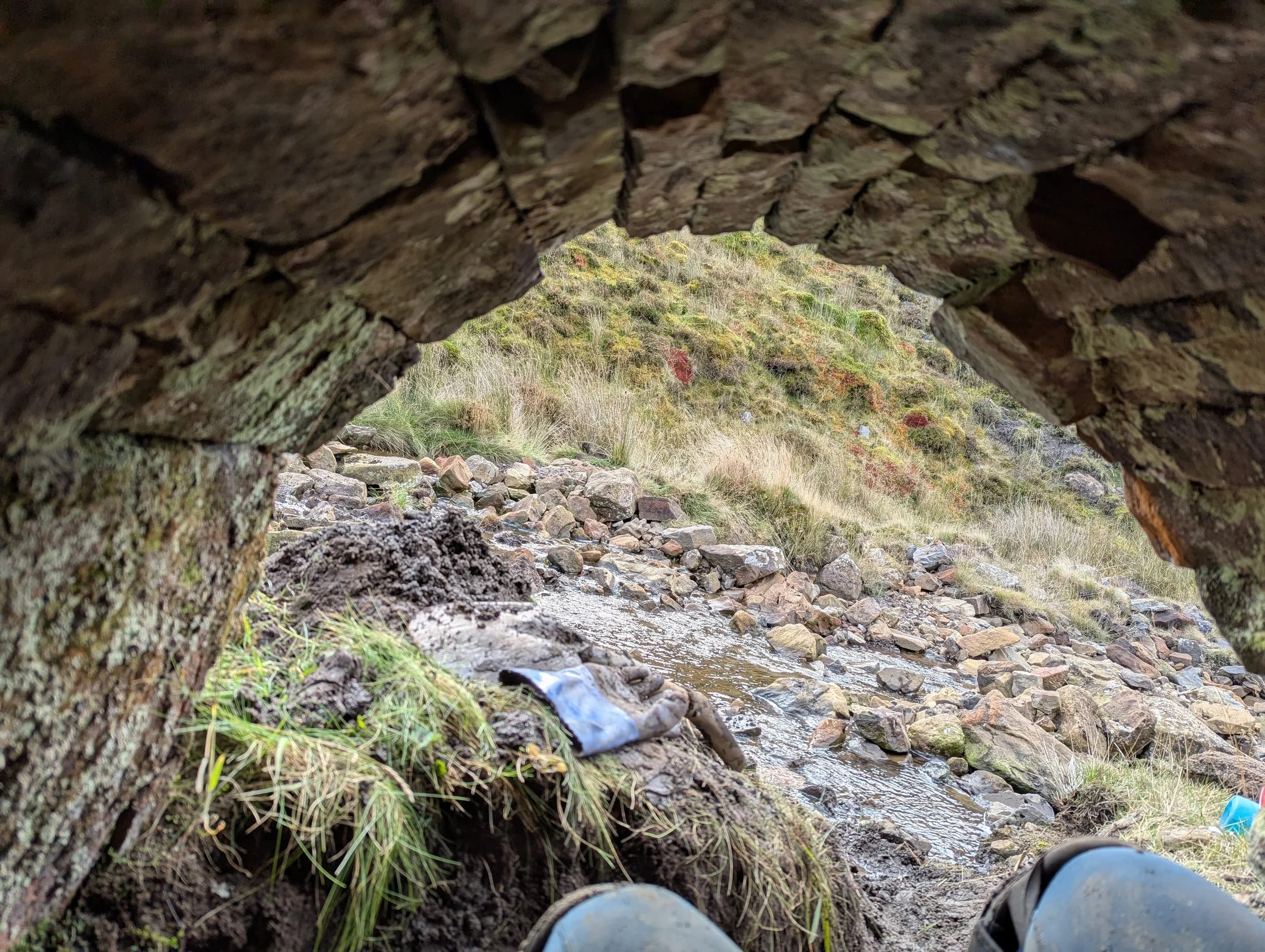
The view of the world outside, from inside my favourite place:
the underground maze of Nenthead Mines.